
Rhinoplasty is a surgical procedure that aims to modify the bone and cartilage structure of the nose in order to improve its shape and breathing.
The minimally invasive technique Dr. Amato uses for his procedures involves the use of microsurgical instruments that allow for extremely precise, non-invasive cuts and incisions with limited post-operative swelling. Furthermore, thanks to local anesthesia, patients will have a pain-free experience, thanks in part to the absence of the dreaded nasal packing that causes significant discomfort.
The experience is therefore painless and comfortable, and in most cases, the patient does not require any painkillers after the procedure.
Rhinoplasty, one of Dr. Amato's most frequently performed procedures, is considered one of the most fascinating in cosmetic surgery. It is a sophisticated and delicate procedure, preferably performed using the closed or endonasal technique. This surgical approach, chosen for its ability to leave invisible scars, promotes a quicker and easier recovery.




During the procedure, the anesthesia is administered, customized to the patient's needs and preferences, ranging from local sedation to general anesthesia. This is followed by the endonasal incisions, where the surgeon makes internal cuts that allow access to the nasal structures without leaving external scars.
Once the nasal structures are exposed, the surgeon proceeds to modify the cartilage and bones, in keeping with the patient's individual facial harmony. This includes potential corrections of the nasal tip, deviated septum, and turbinates. In specific cases, such as to alter the width of the nasal bridge or correct a hump, osteotomies, targeted modifications to the nasal bone, are performed.
Reshaping the nasal tip is another crucial step, where the surgeon uses advanced suturing techniques or cartilage grafts. Careful management of hemostasis, or bleeding control, is essential.
After completing the necessary adjustments, the surgeon proceeds to suture the internal incisions and an external nasal splint, essential for the initial healing phase, and finally applies a sterile dressing. The patient then begins the recovery period, always under the careful supervision of Dr. Amato's team.
Some local swelling is normal; within a couple of weeks, the swelling and swelling will begin to subside and eventually disappear. Sudden movements should be avoided, and a protective nasal splint should be worn for about 14 days.
You will need to take the medications prescribed for you and carefully follow the post-operative behavioral prescriptions.
The procedure involves reshaping the nasal bones, which must solidify in no less than 40 days. During this time, it's best not to put pressure on the nose with the weight of your glasses; therefore, contact lenses are recommended.
Please note that the information published concerns characteristics and average recovery times. Some patients may experience a longer post-operative recovery. This is unpredictable and is due to the individual's specific biological characteristics.
Hospitalization
Hospital stay after the latest-generation rhinoplasty is shorter. Patients can be discharged two hours after the procedure. Thanks to tumescent local anesthesia with sedation, the side effects associated with general anesthesia are eliminated.
Immediately after the end of the surgery, the patient regains alertness and is able to walk independently, requiring only assistance. It goes without saying that discharge occurs only after biological fitness has been assessed and postoperative behavioral instructions have been received.
For patients who have a challenging journey home, it is possible to request extended hospitalization to include initial dressing changes.
Hospitalization, defined as the period of convalescence before returning to daily activities (after 12-14 days), should be considered not as an illness but as a period of relative rest during which it is still possible to perform sedentary activities such as office work. It should be remembered that rhinoplasty involves bone remodeling, and the bones require 40 days to consolidate.
The result of rhinoplasty
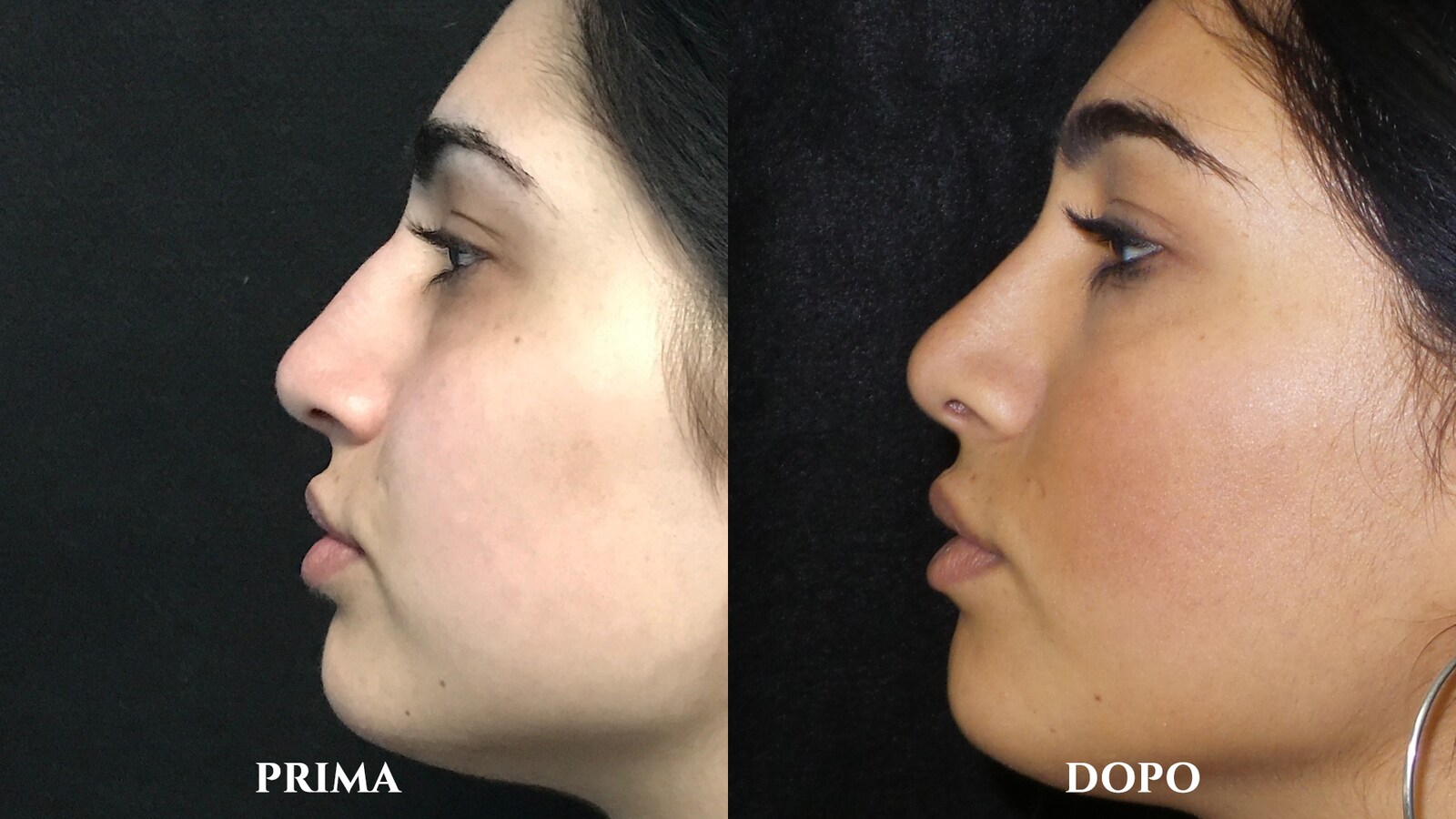
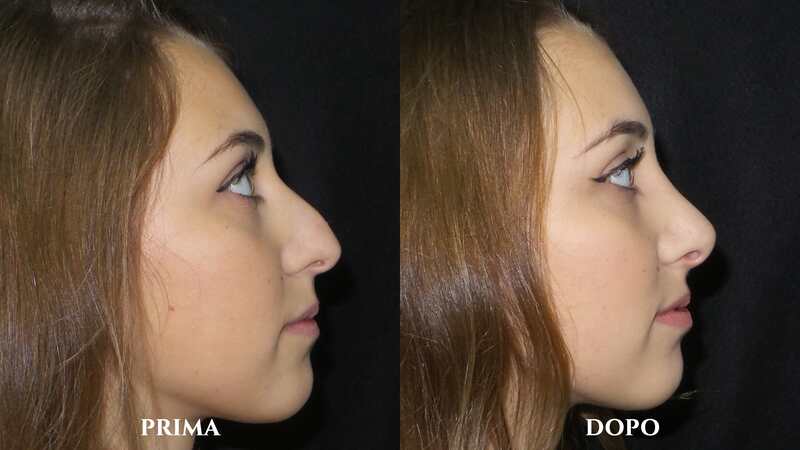
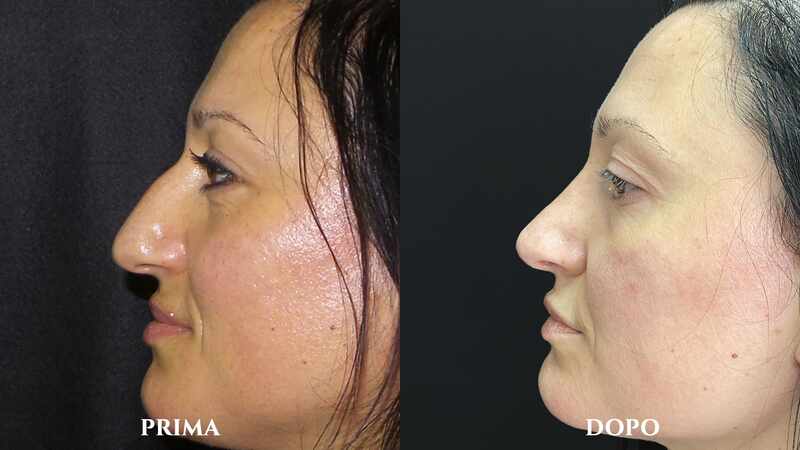
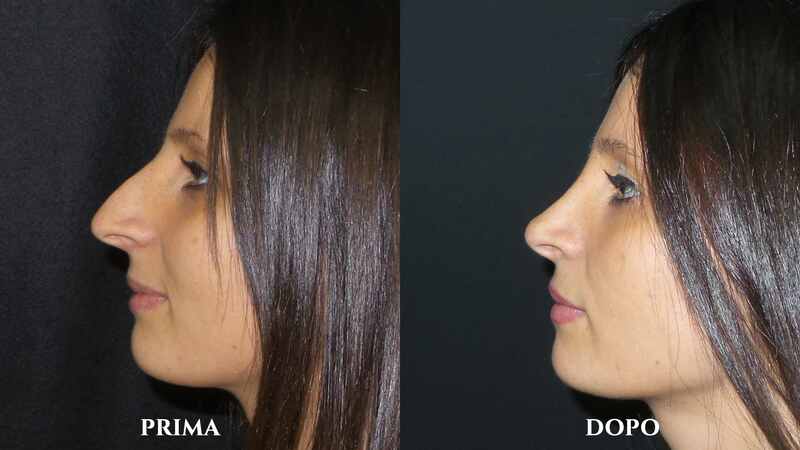
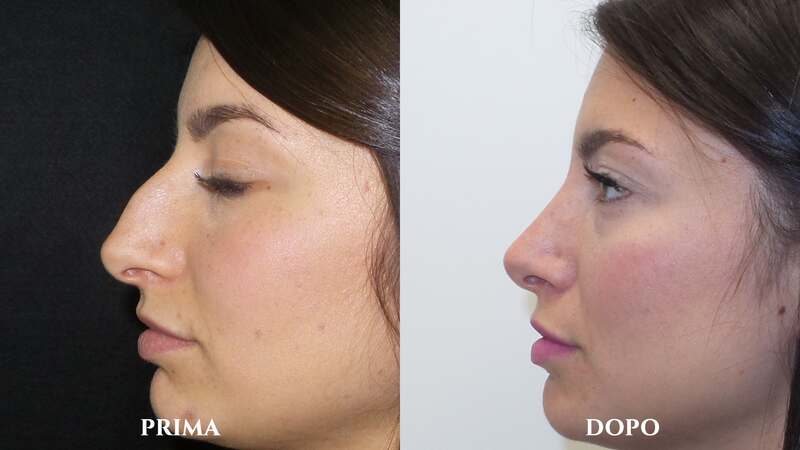
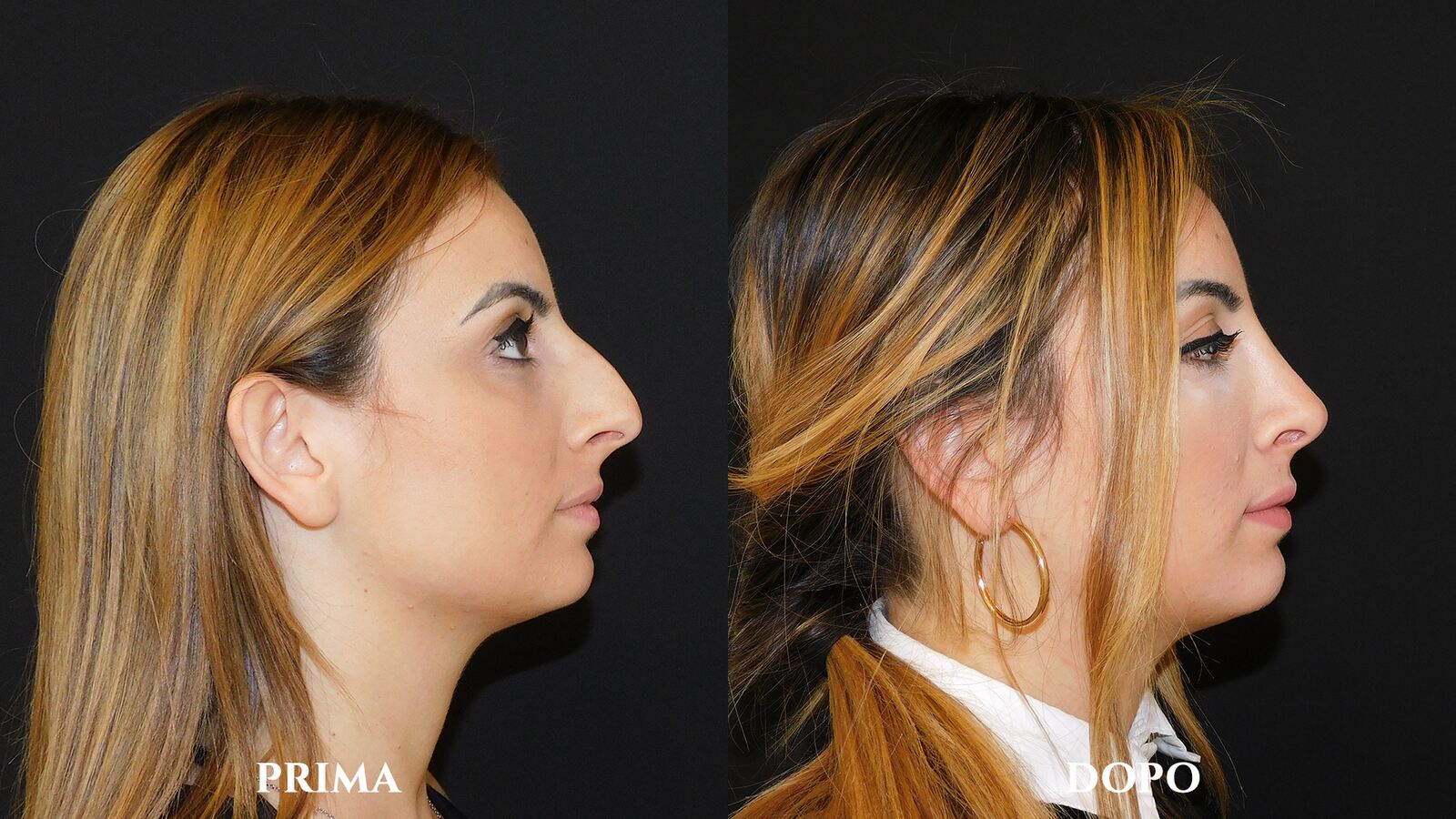
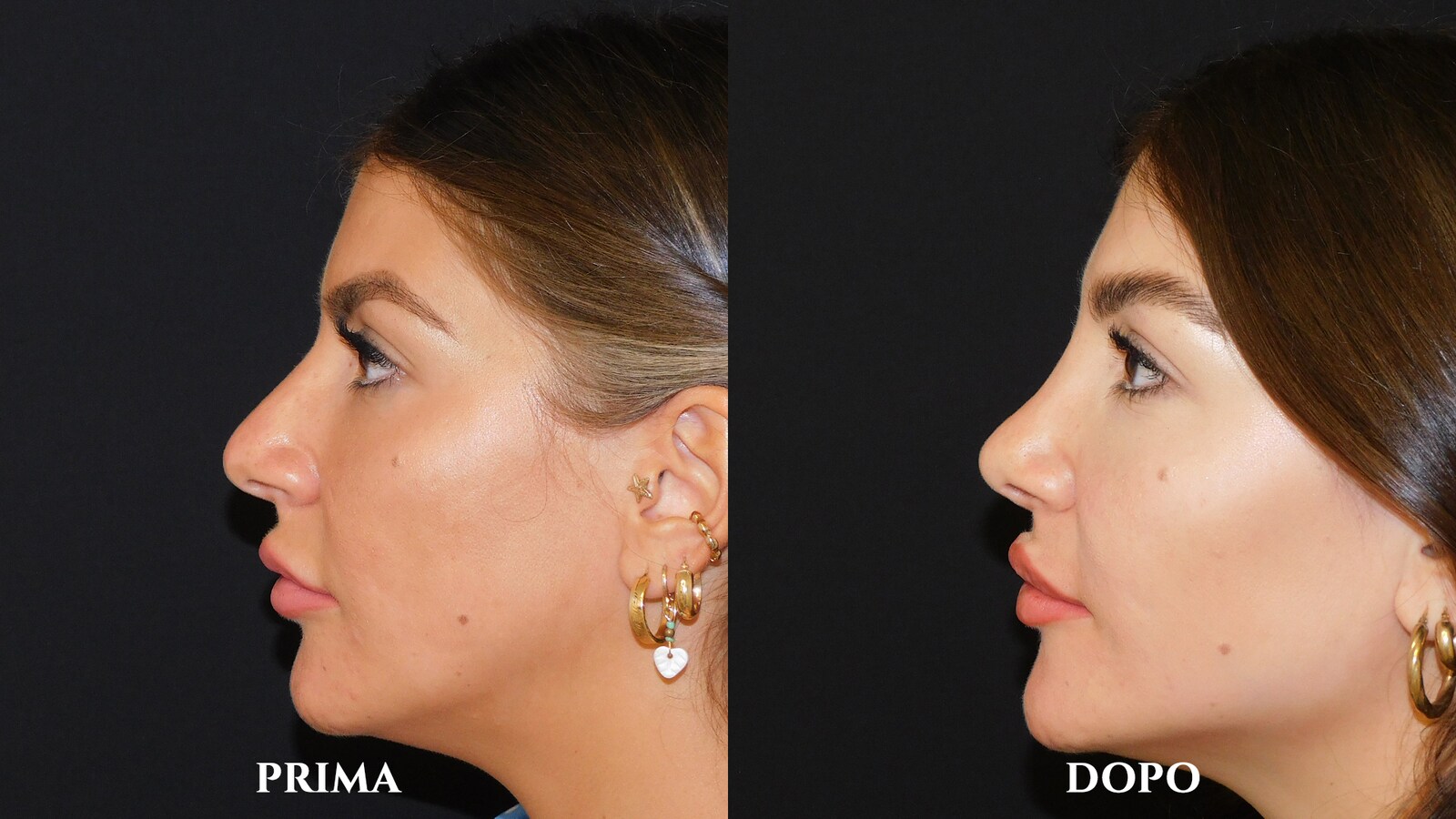
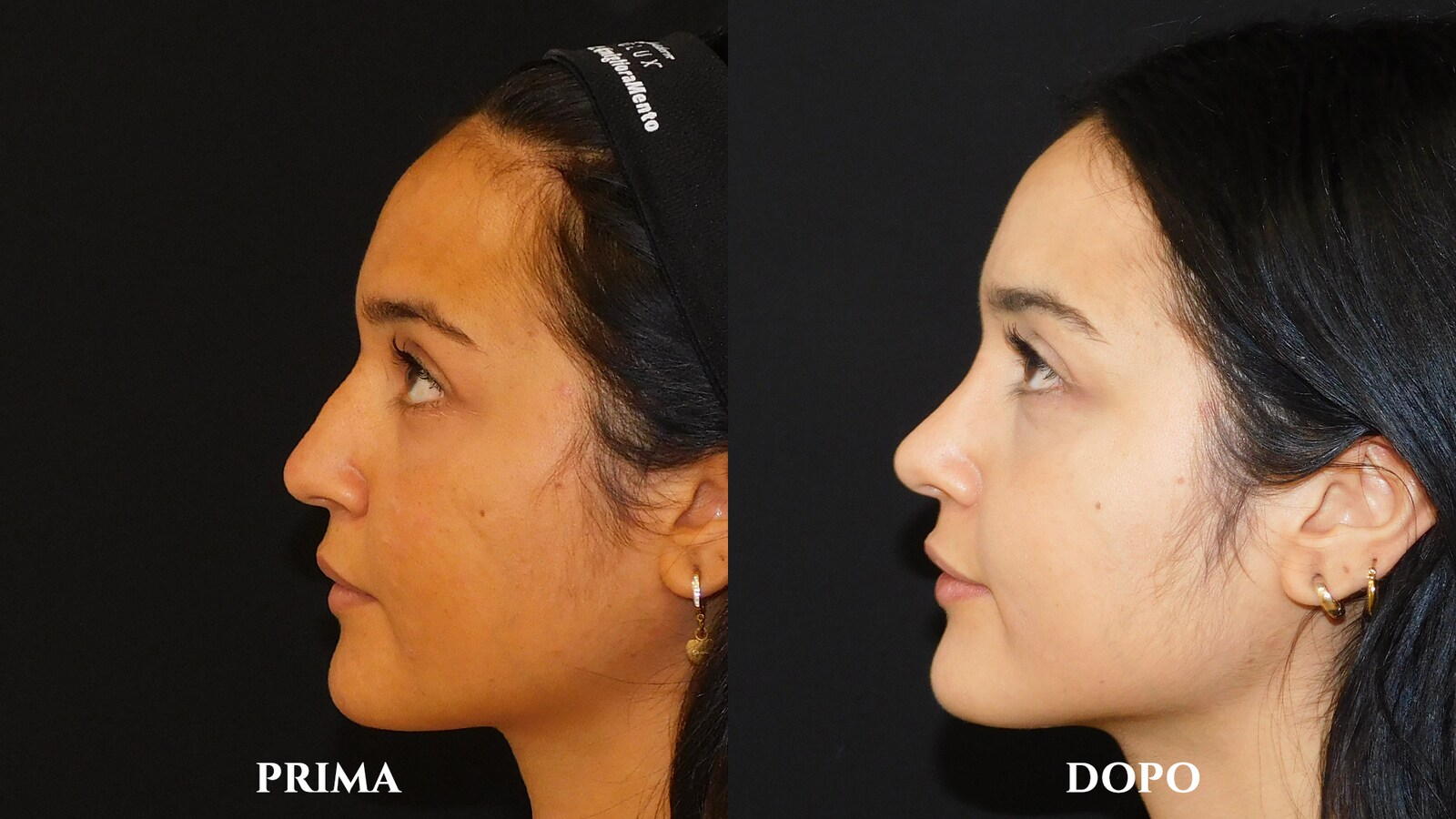
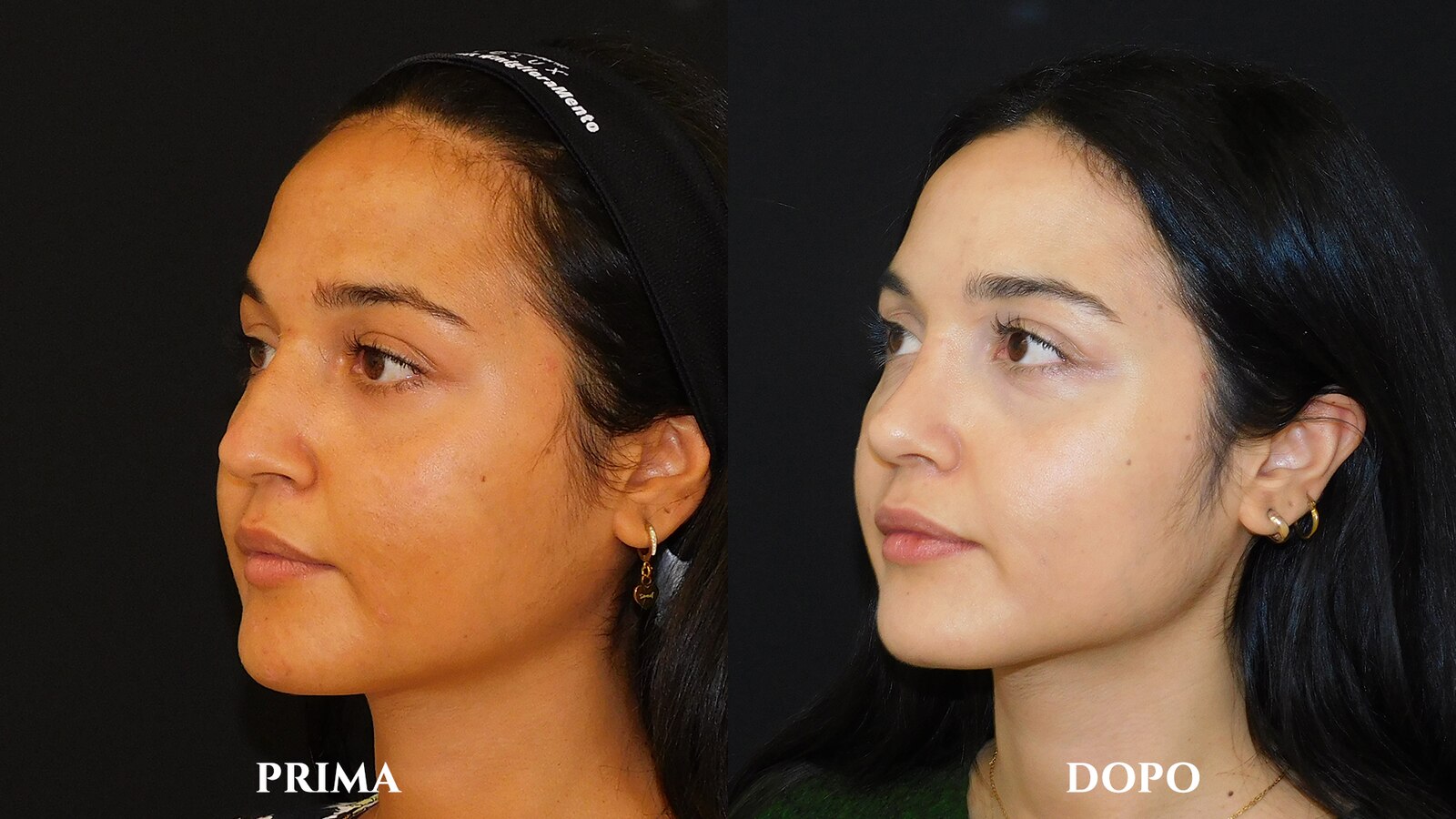
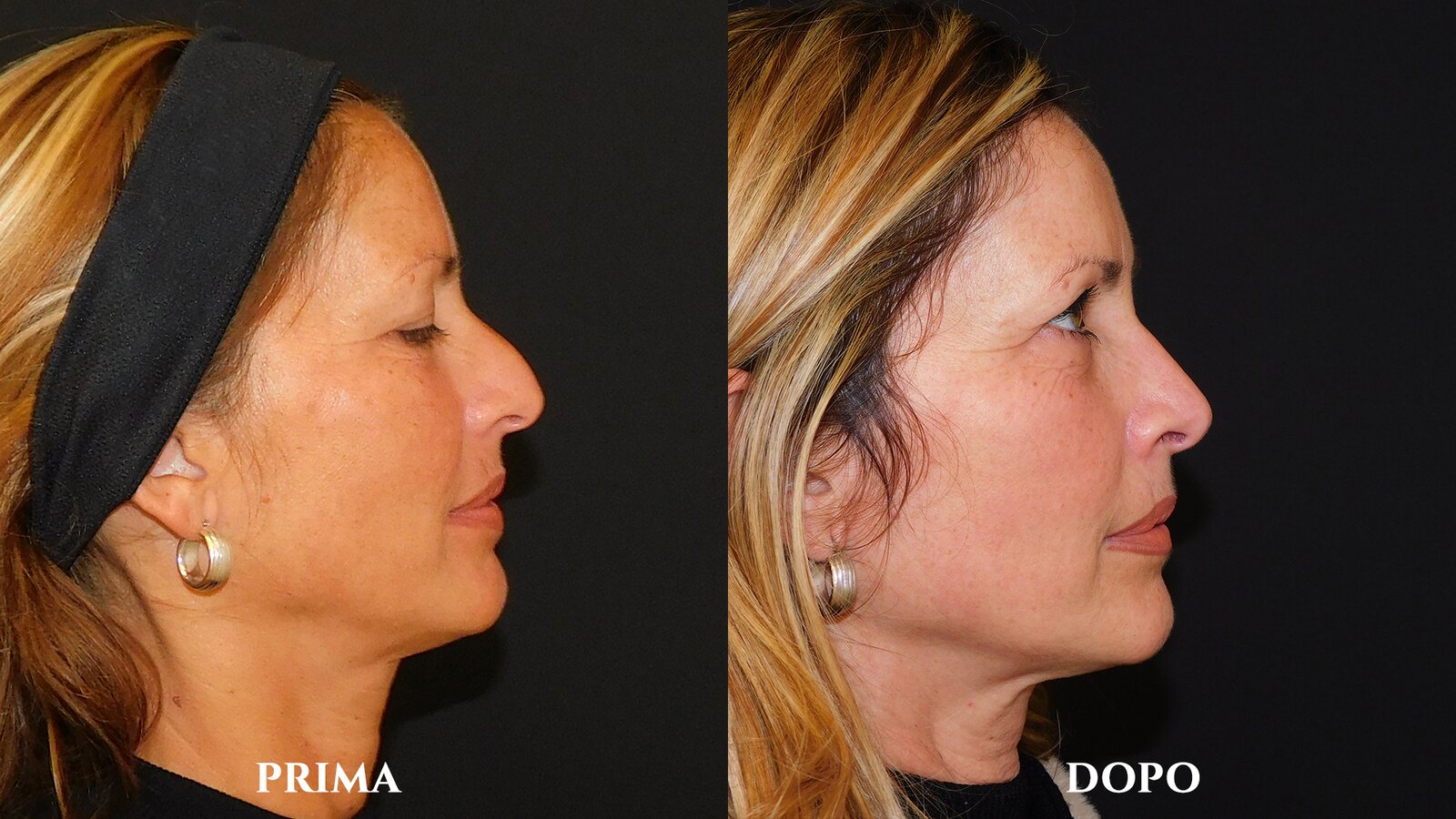
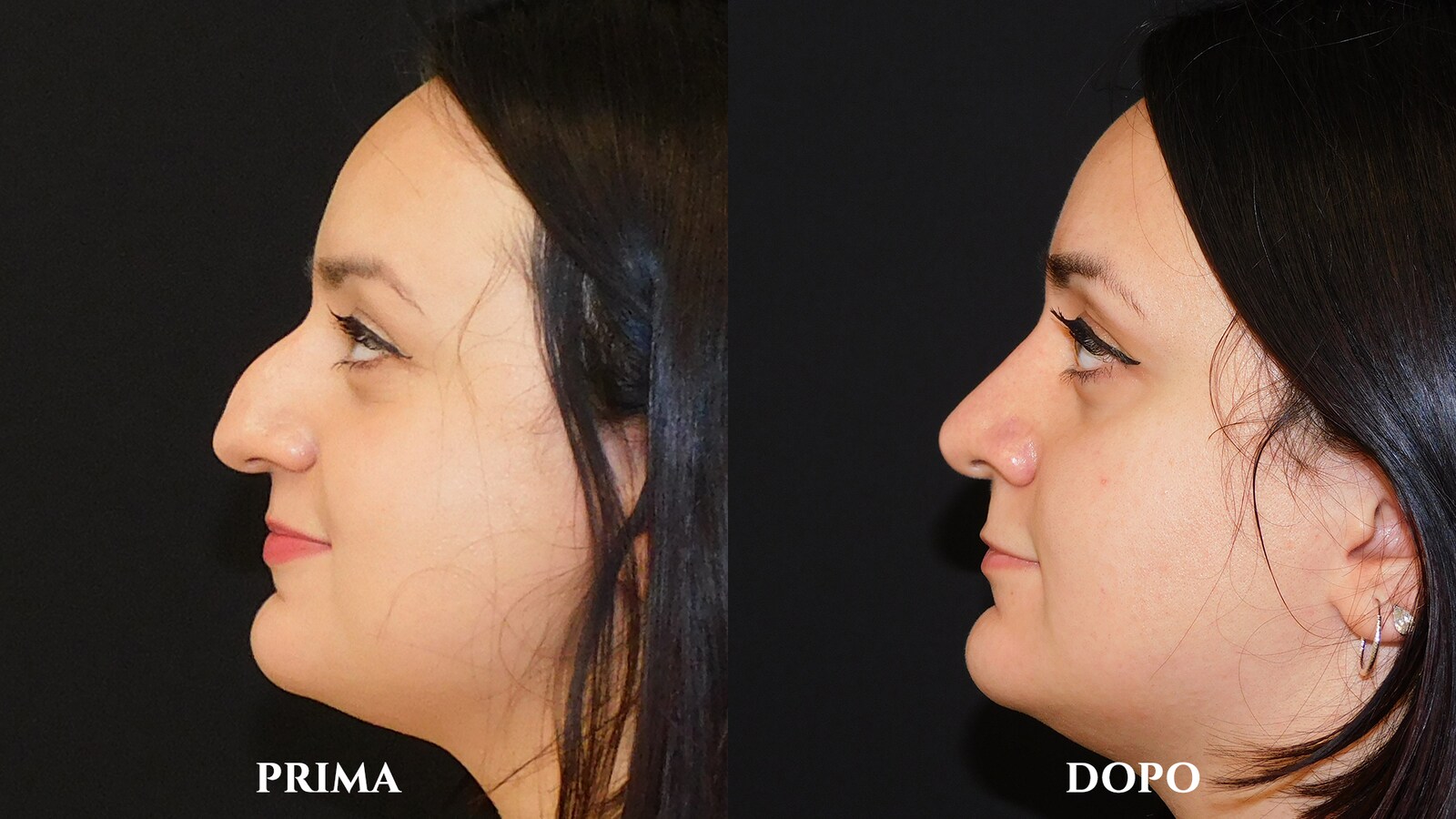
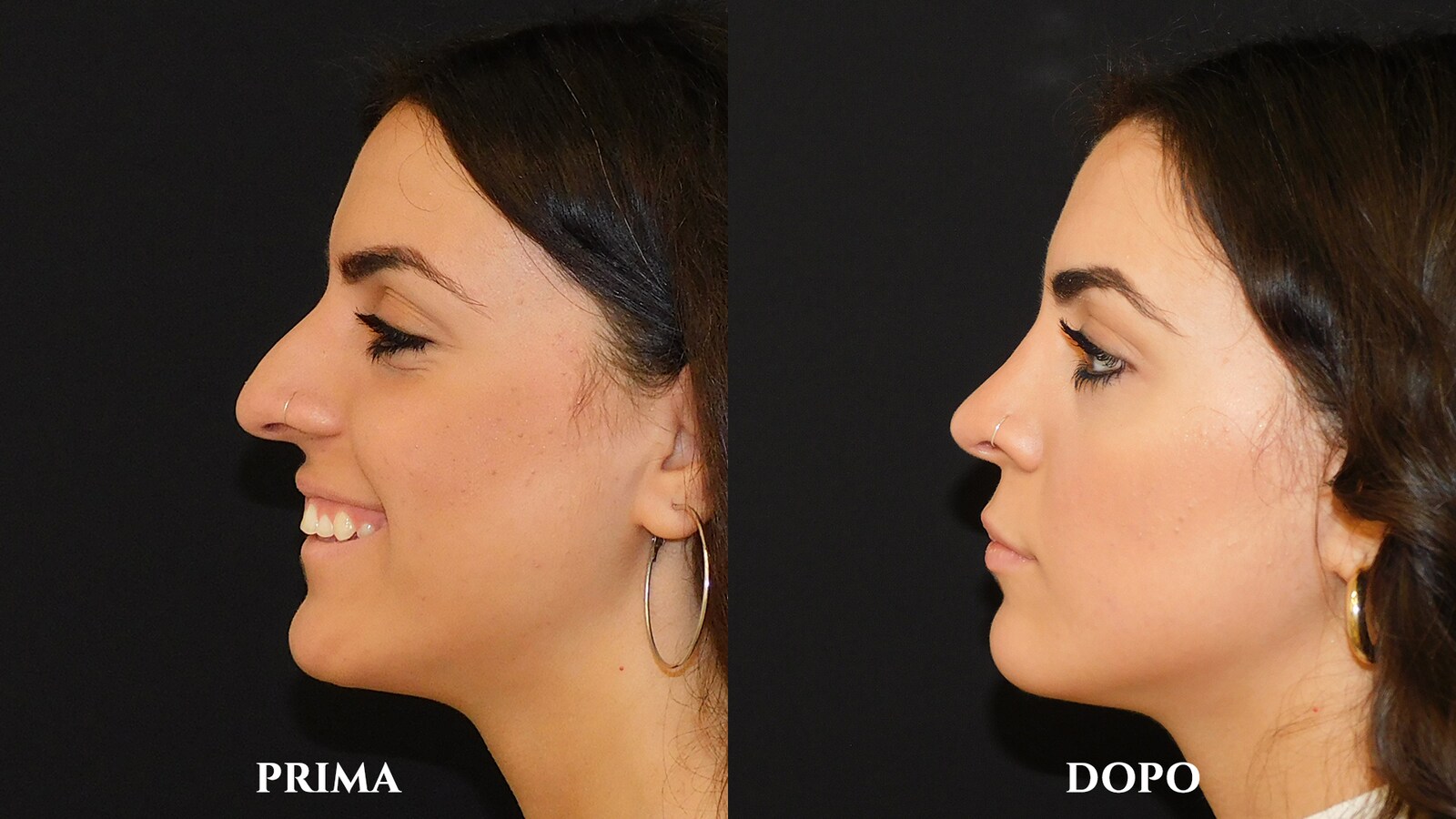
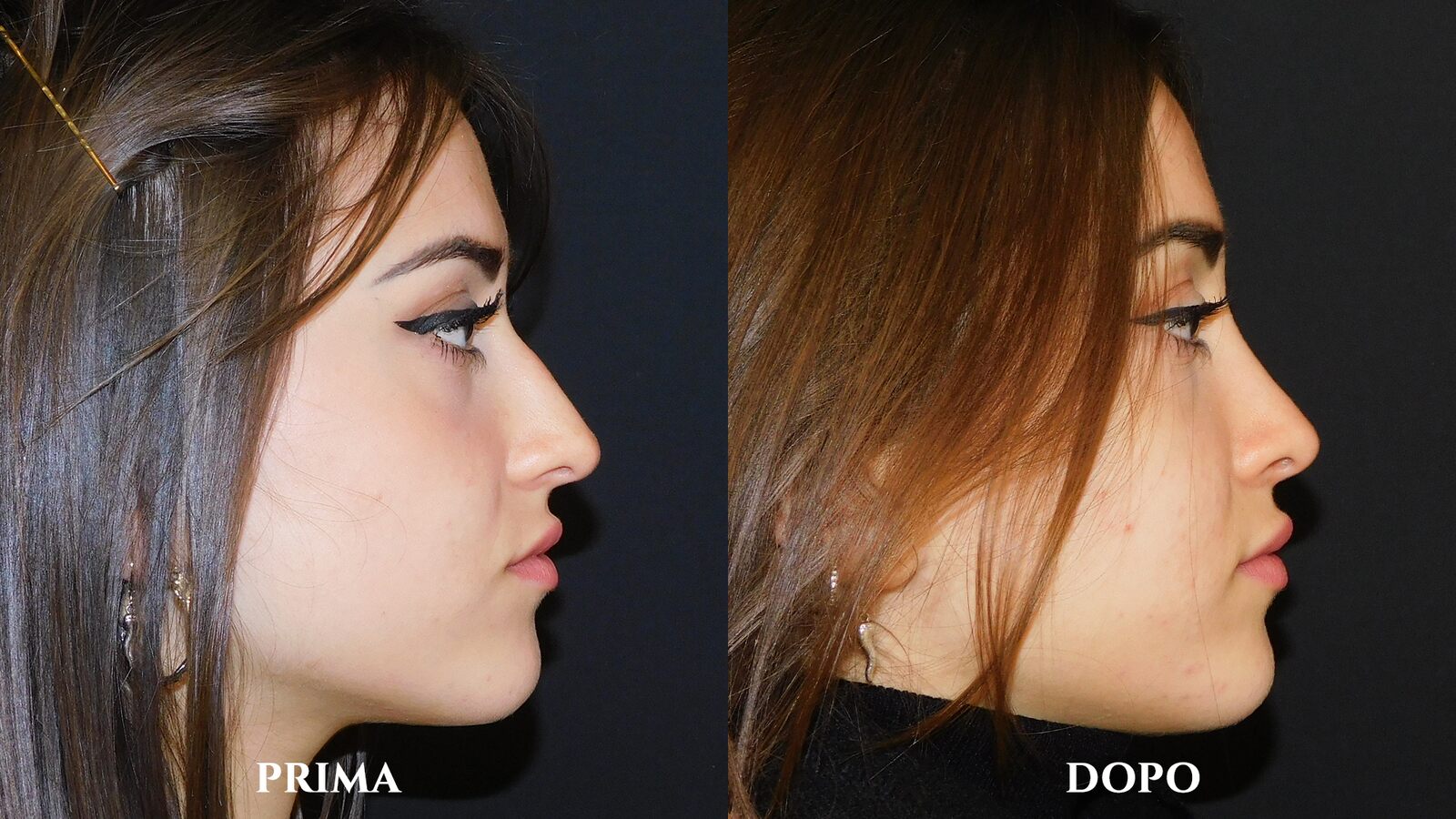
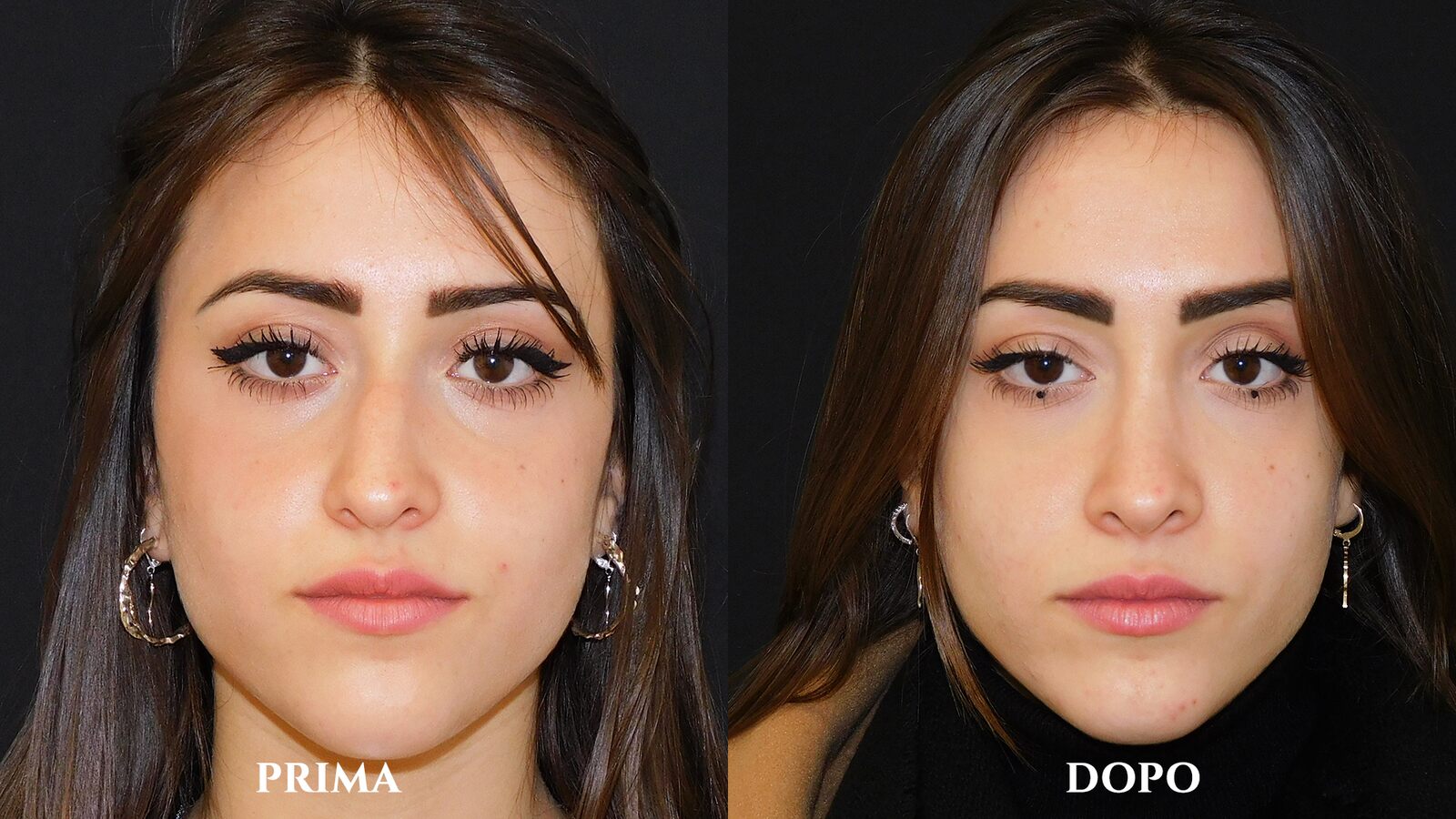
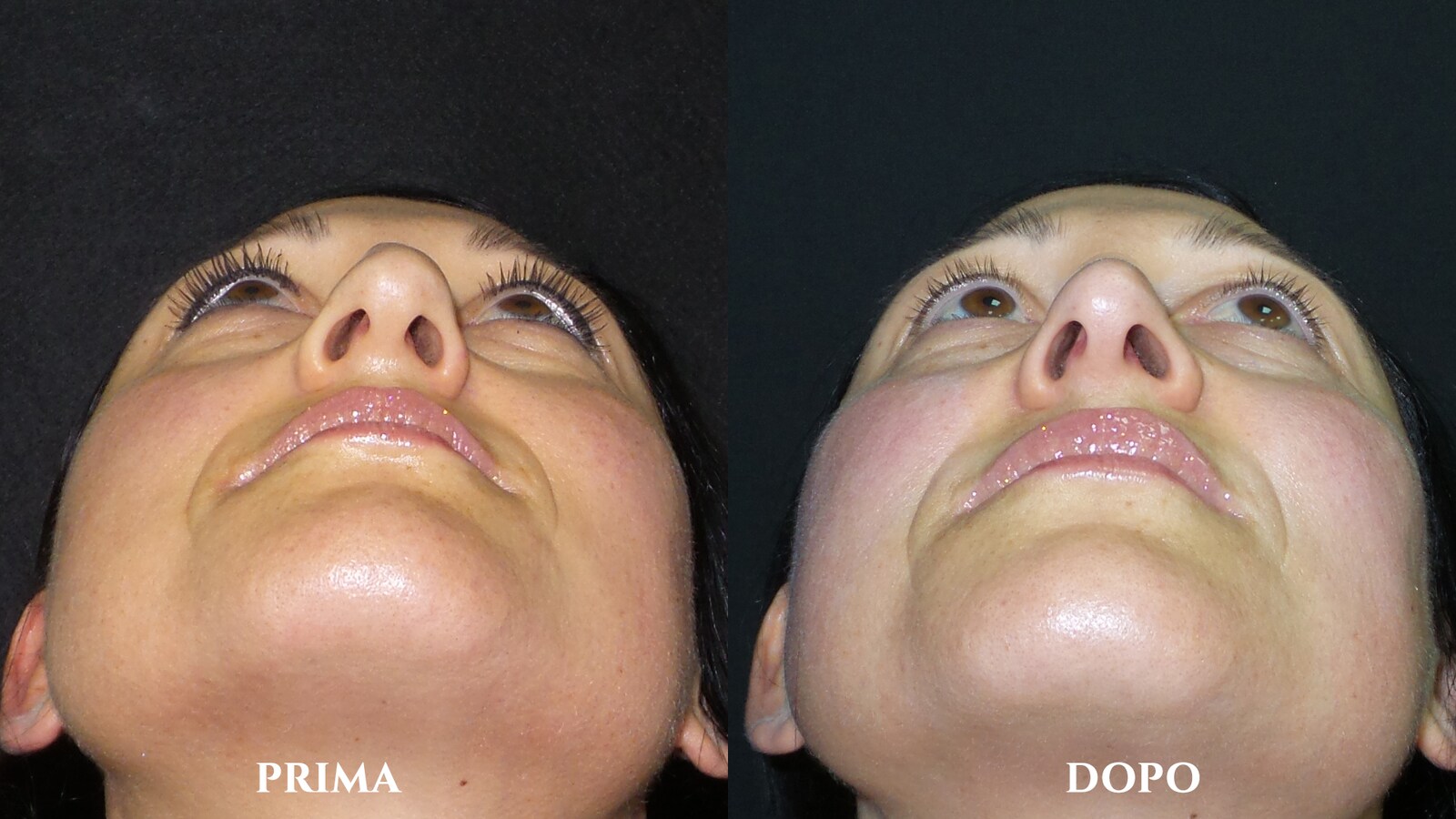
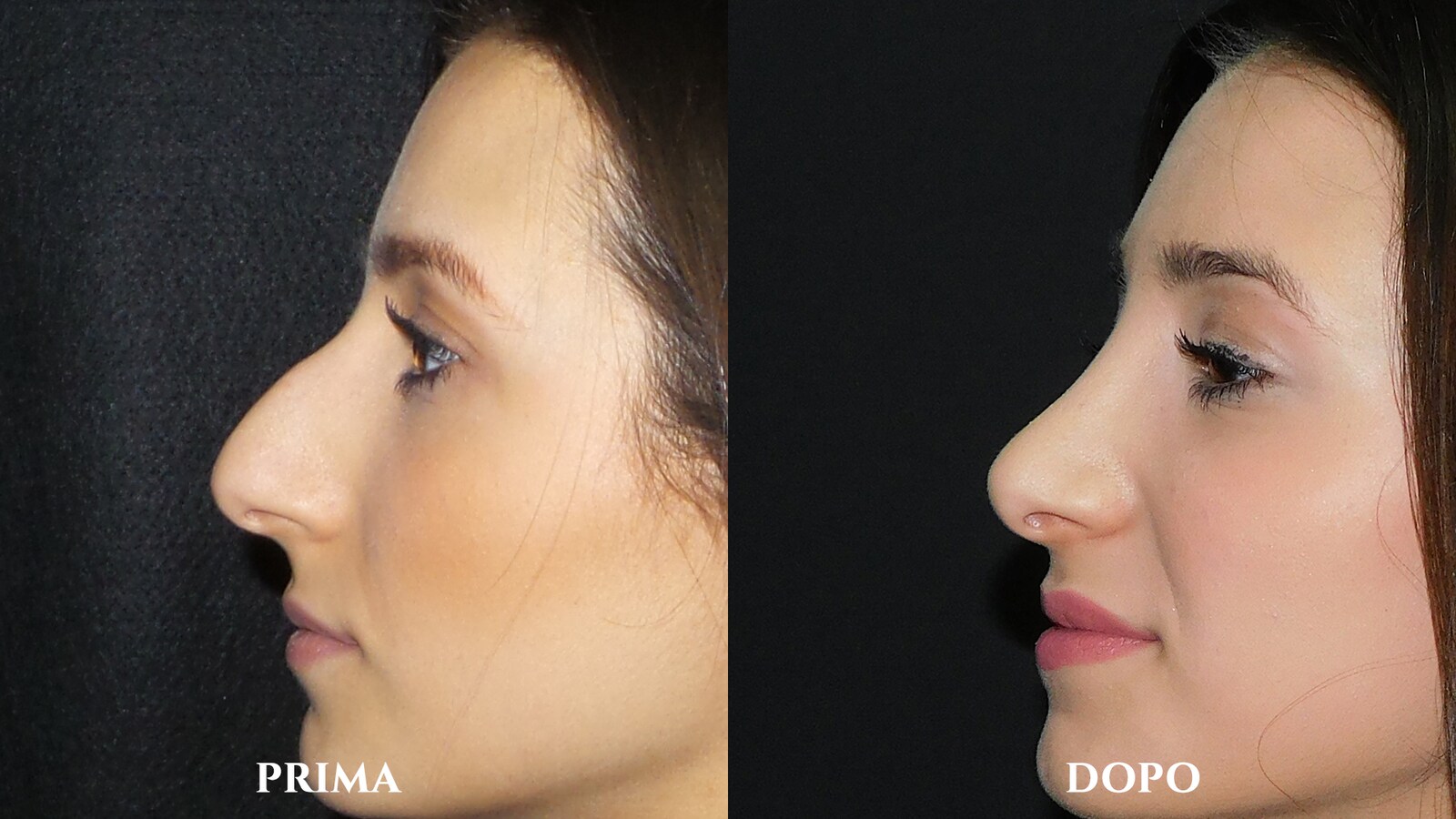
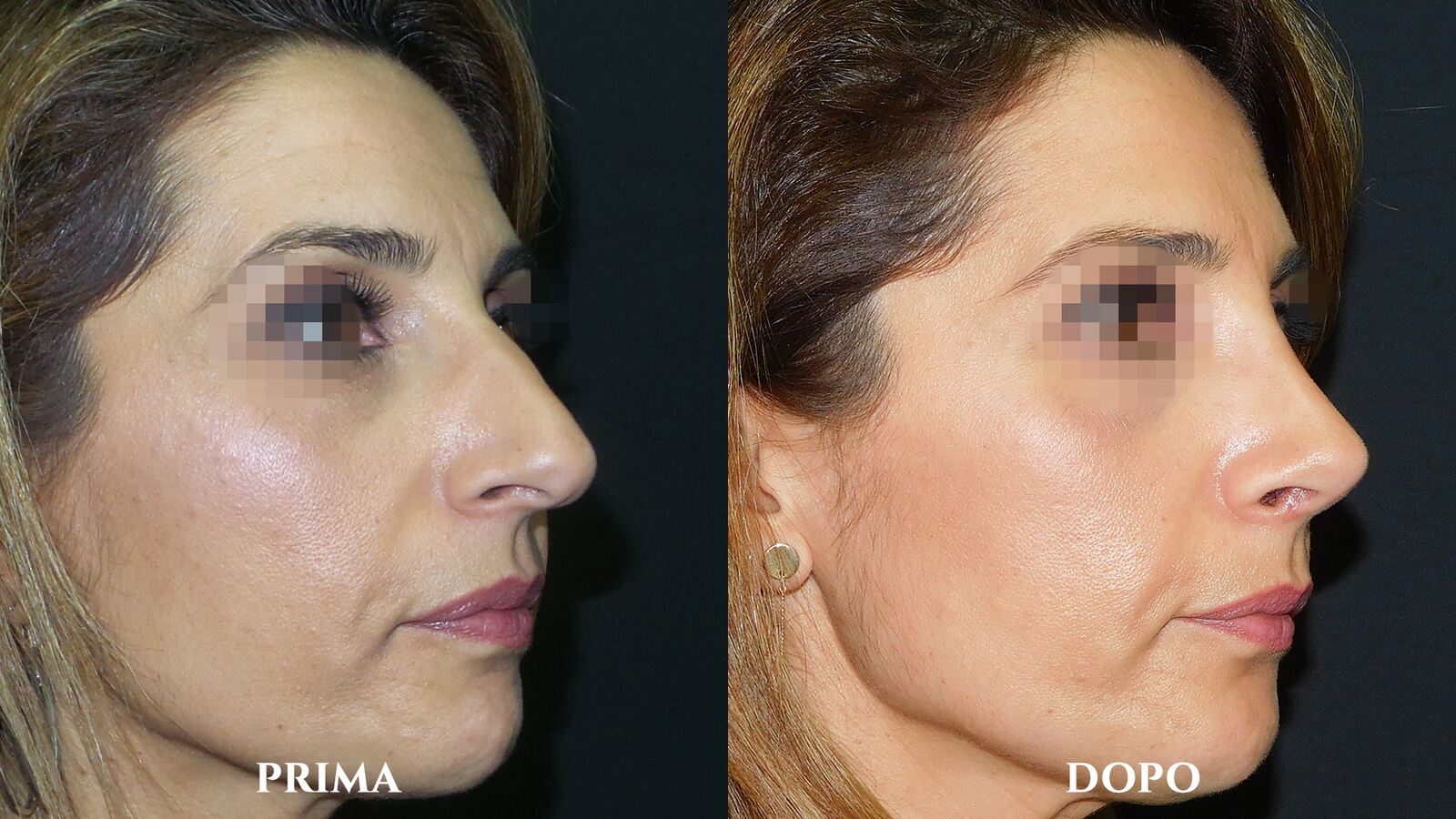
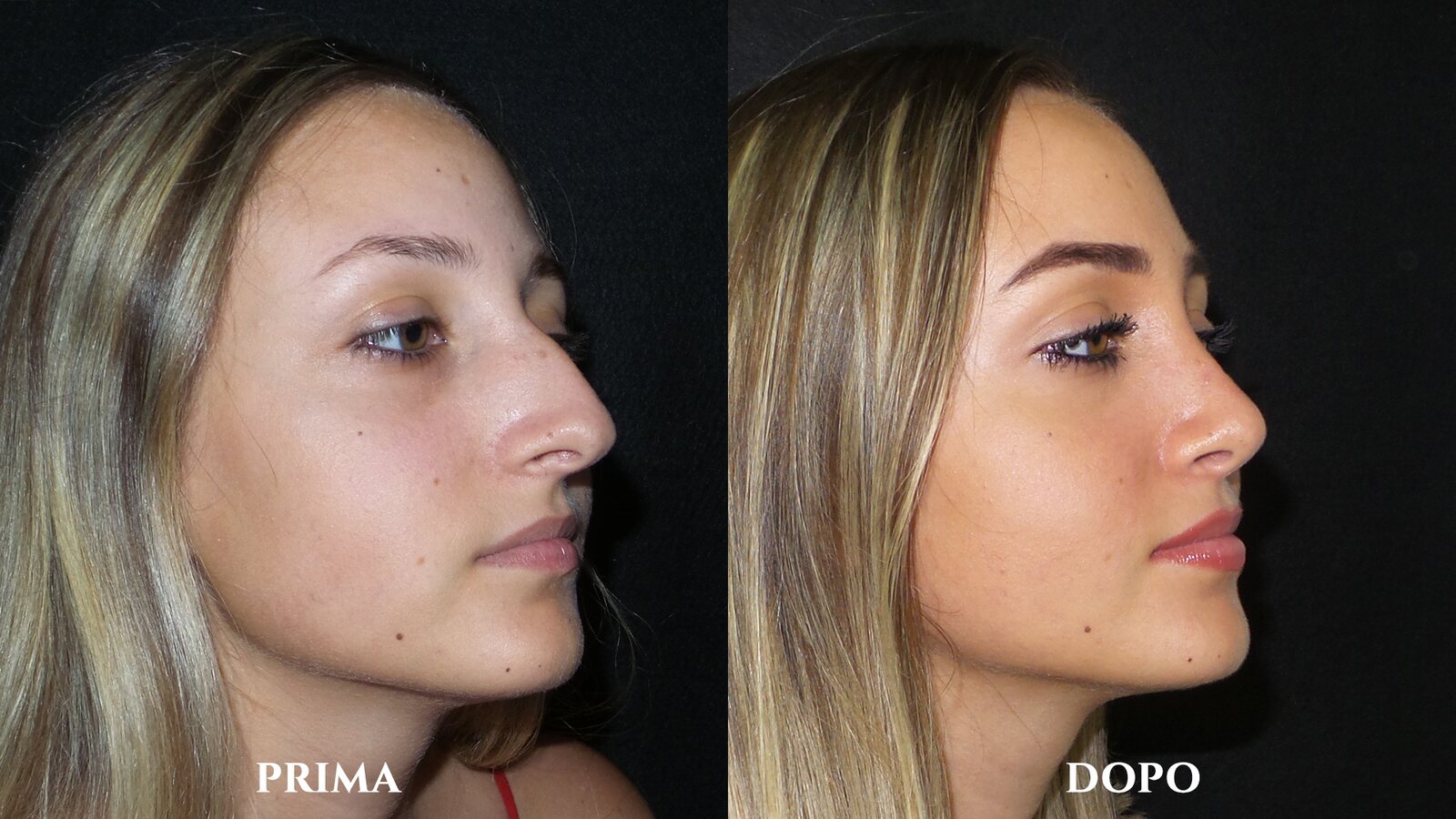
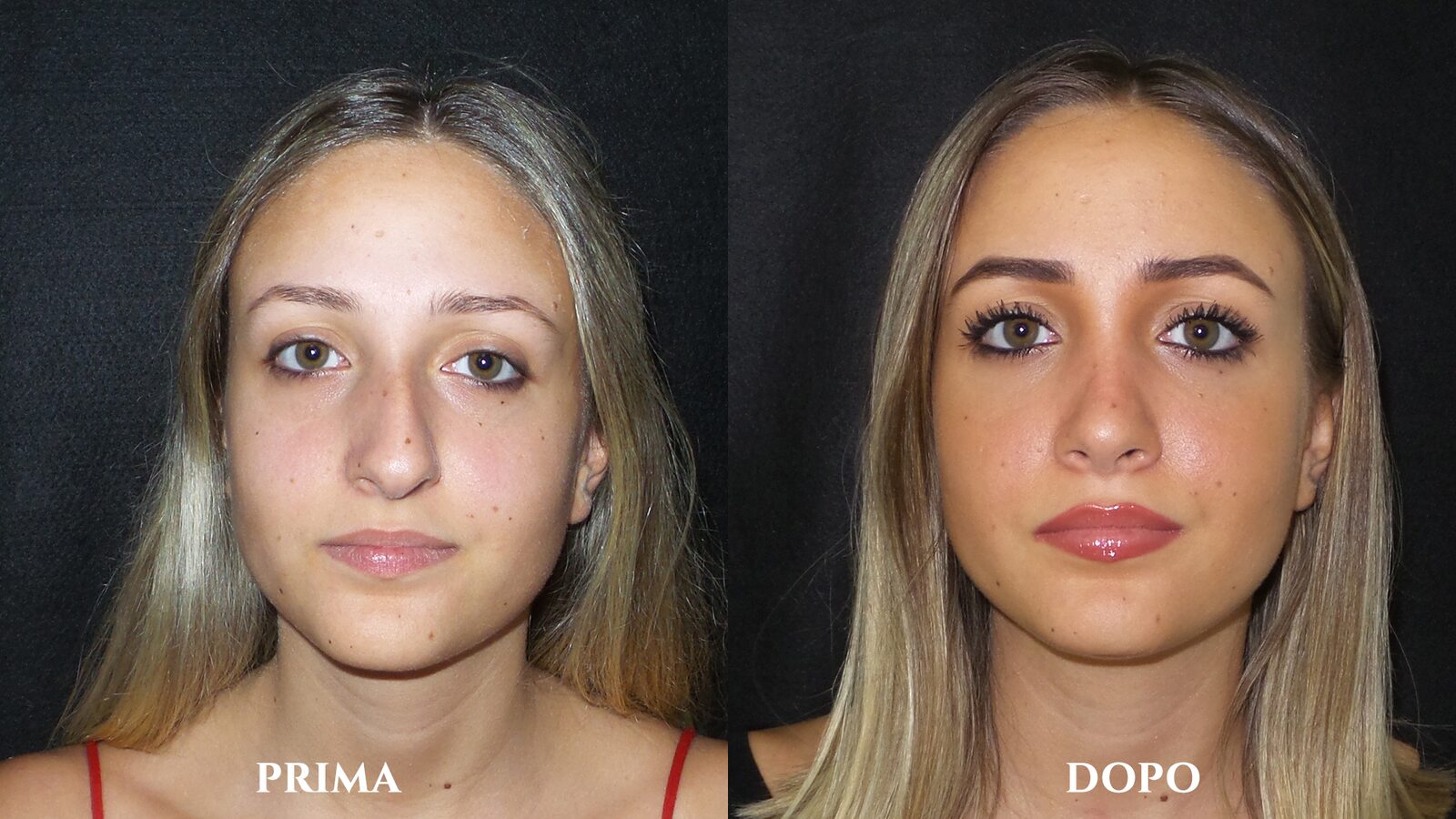
You will be able to see the first results of your rhinoplasty after about 15 to 20 days, but it will take a few months to see the final result.
Indeed, swelling (edema due to surgical trauma)—even if limited—prevents full observation of the "new" nose. The primary goal of rhinoplasty is to reshape the nose to achieve the most natural result possible, one that blends harmoniously with the facial features. Satisfaction with the results—in addition to being related to the appearance of the "new" nose—depends on whether expectations are realistic.
The result of rhinoplasty is permanent. Once fully healed, the nose's appearance is considered permanent.
Does it hurt? Is rhinoplasty painful?
Obviously, during the rhinoplasty procedure itself, the patient feels no pain because they are under local anesthesia, and they are not even conscious thanks to intravenous sedation. A significant advantage of the type of anesthesia used (local with epinephrine) is its prolonged analgesic effect in the immediate post-operative period, meaning that even during this phase, the patient feels comfortable.
Unlike rhinoplasty performed in the past, the modern technique is less invasive. Surprisingly, no bruising is expected, and edema formation is limited. The reduced surgical trauma results in a less burdensome post-operative period. Our patients typically report no or minimal post-surgical pain. Patients with a low pain threshold can manage the sensation with over-the-counter analgesics.
The procedure typically involves reshaping the nasal bone, which leads to bone healing, which typically takes 40 days. During this entire period, the nasal pyramid will be particularly sensitive to contact, so it's advisable to avoid any activity that could cause impact or trauma.




Book now
Fill out the form and our staff will contact you as soon as possible to schedule an appointment with Dr. Maurizio Amato.
No obligation, in complete confidentiality.