
Liposuction is a cosmetic surgical procedure aimed at shaping the body by removing fat from the adipose tissue. Here's what you need to know about this procedure:
Liposuction Techniques
Liposuction has undergone significant innovations over the years. Today, one of the most innovative techniques is tumescent liposuction, which involves the injection of a saline solution, anesthetic, and a vasoconstrictor into the affected area. This technique offers numerous advantages, including greater efficacy and safety.
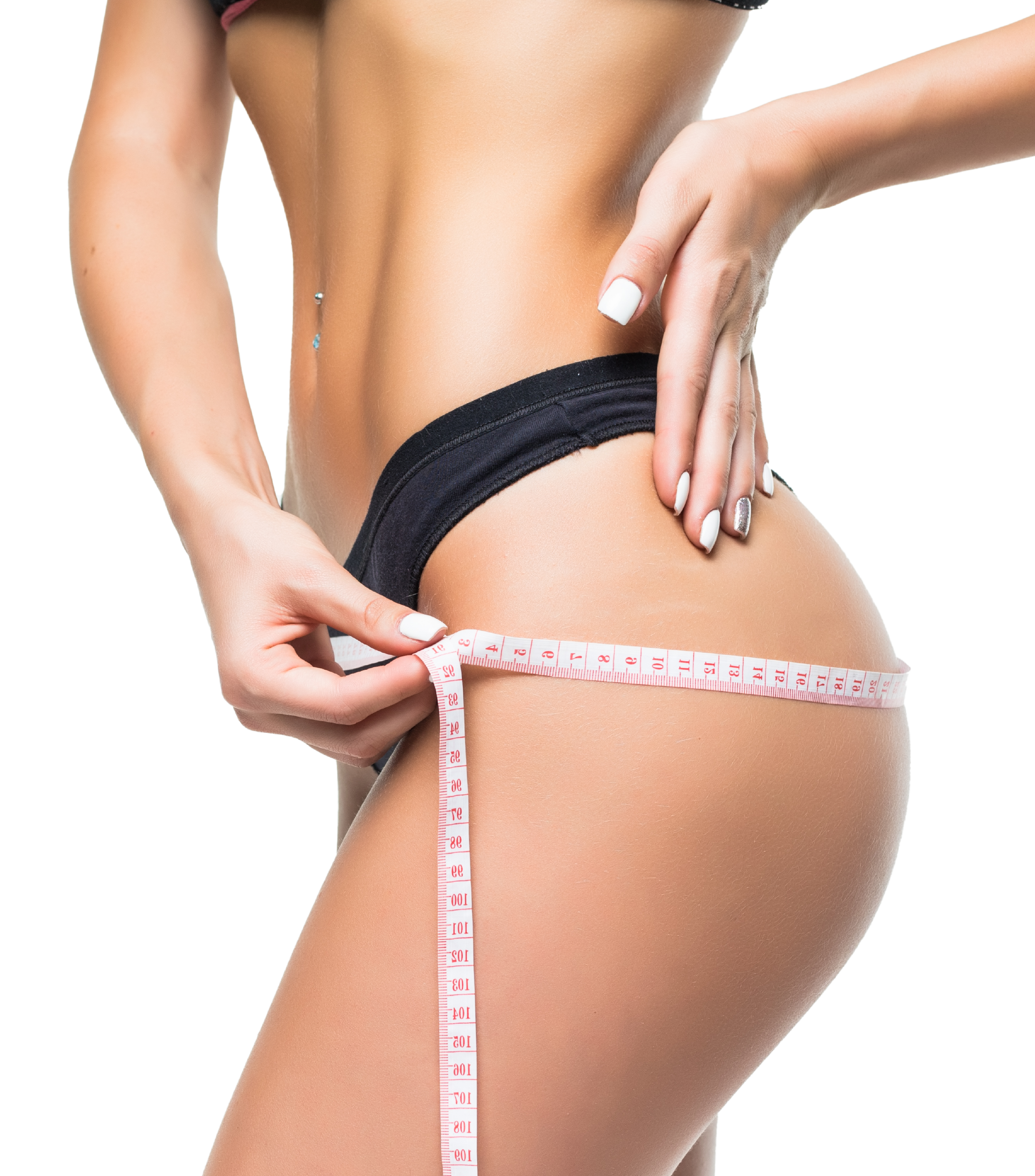



Before surgery, a preliminary consultation with the surgeon is essential. During this consultation, the various available techniques are discussed and the best options for the patient's specific case are assessed. Medical advice on preparation for the procedure, including any necessary clinical tests, is also provided.
Liposuction surgery usually takes place in the morning. Patients are asked to wear comfortable clothing and bring a companion with them for the discharge process and the next 24 hours. After the clinical tests and an anesthesiologist consultation are approved, the procedure begins.
Liposuction is usually performed under local or epidural anesthesia, accompanied by intravenous sedation. The specific technique used is tumescent, which allows for a temporary reduction in blood flow to the adipose tissue.
Through small incisions, a thin cannula aspirates fat cells, gradually reshaping the body's contours. The surgeon carefully monitors the skin's realignment to avoid excessive volume reduction. At the end of the procedure, stitches and compression bandages are applied.
After surgery, the patient may experience some swelling and bruising, which is managed with compression bandages and following the surgeon's instructions. Pain can be managed with prescribed medications. The patient can gradually resume normal activities after 10-15 days, always under the surgeon's supervision.
The final results of liposuction will be visible after a few weeks, once the swelling has completely disappeared. To maintain the results, it's important to maintain a balanced lifestyle, avoiding factors that can compromise skin elasticity, such as excessive sun exposure and smoking.
Risks and Contraindications
Risks associated with liposuction are statistically rare, but it is important for patients to be aware of the potential risks and contraindications. Certain medical conditions, such as diabetes and heart disease, may make the procedure inadvisable. Before undergoing liposuction, a thorough medical history should be taken and appropriate clinical evaluations should be performed.
In summary, liposuction offers an effective solution for body reshaping, but it is important that the patient understands the risks and undergoes the procedure only after carefully evaluating the surgeon's instructions.
Book now
Fill out the form and our staff will contact you as soon as possible to schedule an appointment with Dr. Maurizio Amato.
No obligation, in complete confidentiality.