
Bichectomy is a surgical procedure aimed at eliminating "Bichat's bubbles," a vascularized fat deposit that increases with weight gain, located in the region of the cheekbones or malar bones, within the cheeks. Once surgically removed, the fatty tissue cannot recur, making it a permanent procedure. These fat deposits increase the volume of the lower third of the face and, in older individuals, tend to sag, leading to a loss of tone and elasticity. Bichectomy is an excellent solution for those wishing to slim, refine, and define the lower face, indirectly emphasizing the cheekbones, jawline, and chin.
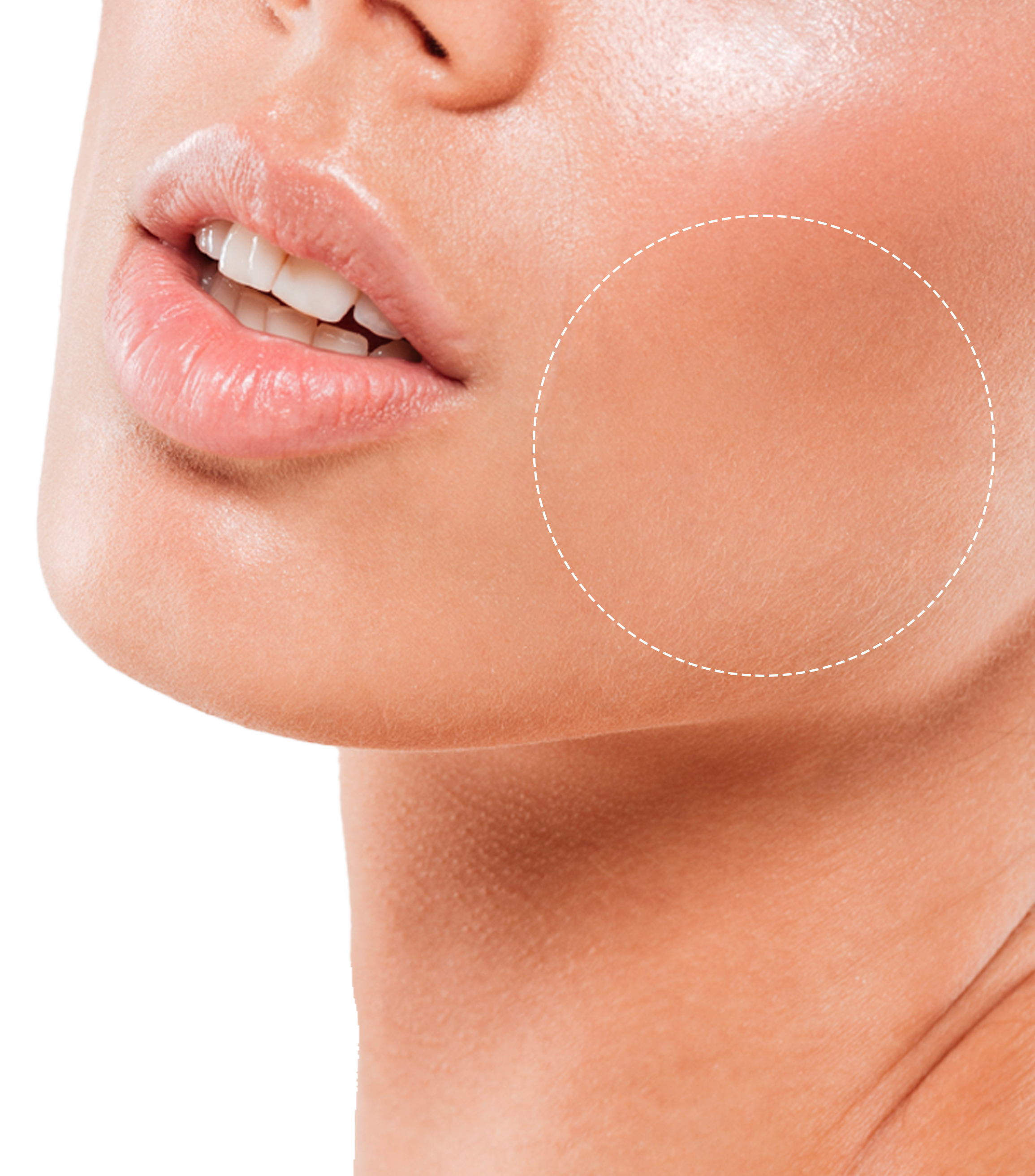

Bichectomy is intended for those who wish to slim, refine, and define the lower face, indirectly emphasizing the cheekbones, jaw angle, and chin. Bichectomy is not essential to the human body: in adults, they serve to lubricate the muscles used during chewing, and in infants, to support the cheek.
The surgery can be performed on an outpatient basis under local anesthesia and lasts about 30 minutes. The Bichat fat pad is accessed through a small incision on the inside of the cheek, no more than 5 millimeters long, in the soft tissues located in the lower part of the zygomatic arch. The fat pad is grasped with a surgical instrument and slowly and carefully herniated. The fat is gradually extracted with the help of another forceps until the pedicle is visible.
At this point, the pedicle can be cut and the fat pad is freed. Most often, a simple suture is used to close the incision and the surgery is complete. The stitches are absorbable and will fall out after about two weeks, leaving the mucosa intact.