
The term hyaluronidase identifies a class of different enzymes, capable of degrading some classic components of the extracellular matrix, such as hyaluronic acid, which is an element already present in human skin and is able to promote the formation of collagen, which in turn is able to maintain the hydration and elasticity of the skin.
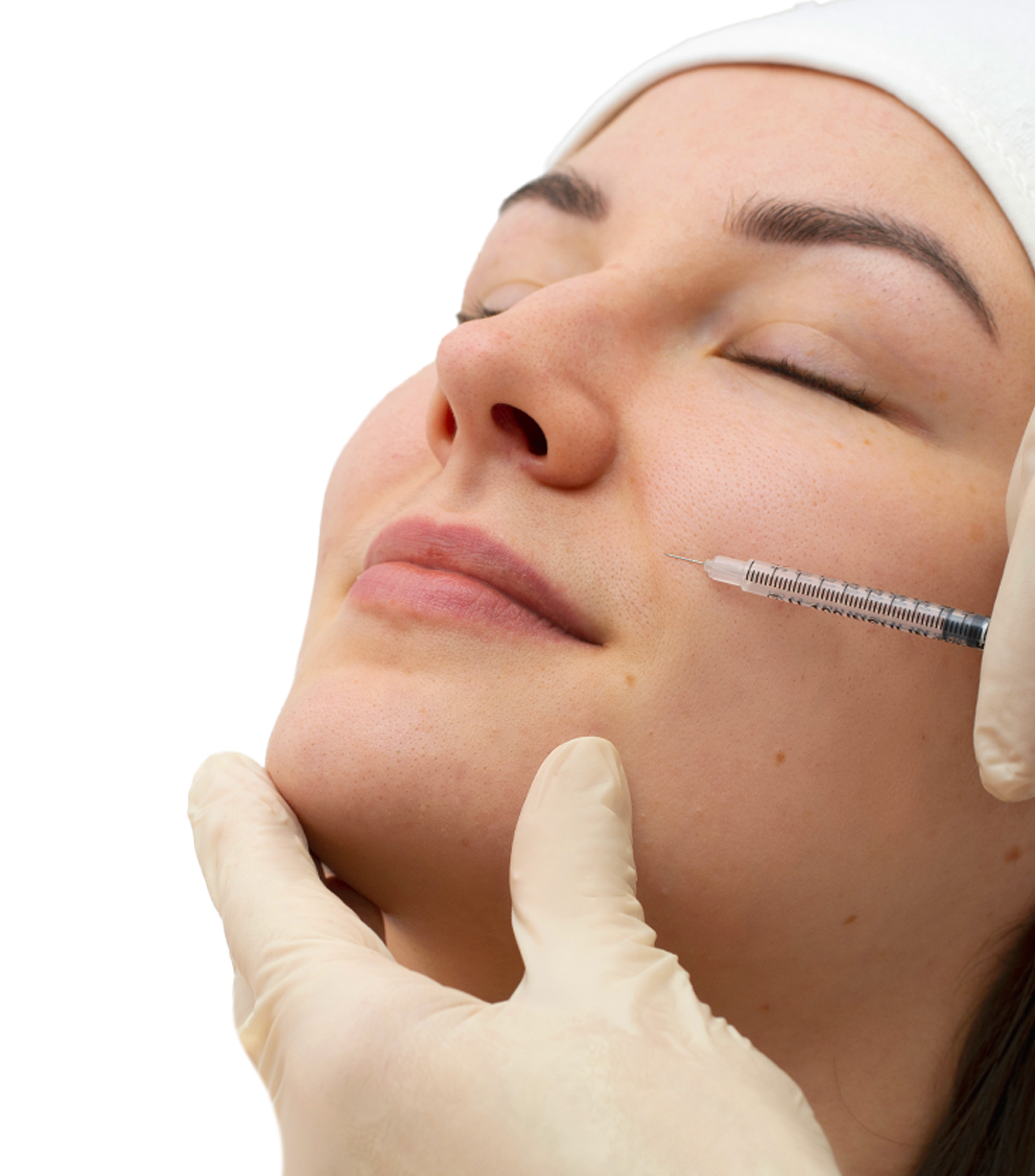
Changes in hyaluronic acid contribute to the aging of the skin over the years.
In the clinical field, the first use of this enzyme dates back to 1928, when hyaluronidase was used to facilitate the subcutaneous penetration of vaccines and various drugs, thus improving their preventive activity.
Today, with the worldwide increase in the use of hyaluronic acid fillers, hyaluronidase has become an essential drug for correcting the complications and unsatisfactory results of these treatments.
ON THE LIPS:
More precisely, intradermal injections of hyaluronidase are used to: • Resolve any filler complications • Dissolve filler nodules • Completely eliminate the filler
HOW THE TREATMENT IS PERFORMED:
After a thorough initial examination, Dr. Amato will anesthetize your lips to make the procedure as painless as possible. During the injection procedure, your lips will experience some unsightly swelling, which will subside after about 24 hours.
The effects begin to be visible in about an hour, and after 24 hours the hyaluronic acid has been neutralized. After these hours, the lips will return to their natural shape and size.
POSSIBLE COMPLICATIONS
Allergic reactions, however, remain a relatively common side effect of hyaluronidase injections (with an incidence ranging from 0.05% to 0.69%).
These allergic reactions are mostly local, but in rare cases, systemic reactions may occur. In expert hands, the treatment is extremely safe.
HOW LONG SHOULD I WAIT TO GET FILLER AFTER HYALURONIDASE?
Already 15 days after the hyaluronidase procedure, the new filler can be applied.