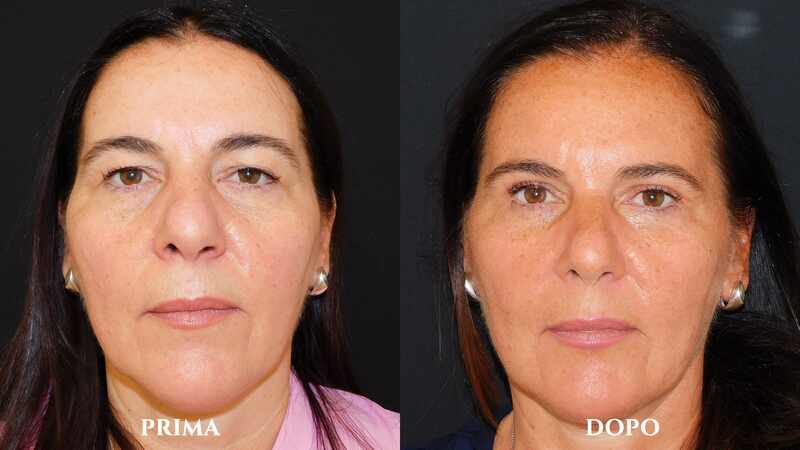
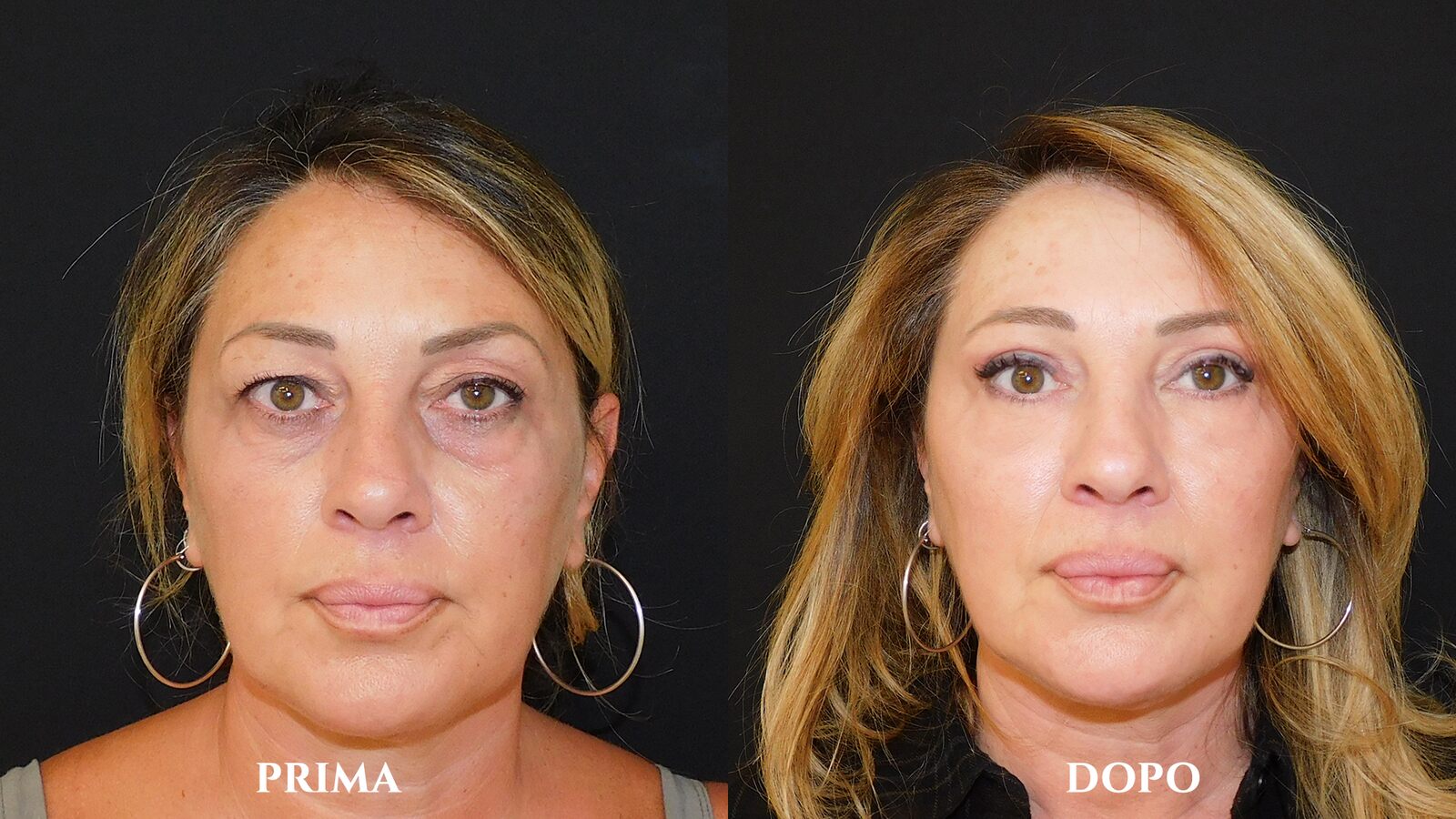
Blepharoplasty is an ideal procedure for facial rejuvenation and to correct congenital defects of the eyelids, such as small eyes, drooping eyelids, or oriental eyelids.
Is Blepharoplasty Right for Me?
To consider upper or lower blepharoplasty, it's necessary to evaluate the condition of the tissues in the first third of the face, particularly the eyes, eyebrow position, and skin around the eyes. The procedure is ideal for:
- Drooping upper eyelids;
- Loose skin on the upper eyelids that reduces vision;
- Sad look and tired appearance;
- Swelling of the eyelids (bags);
- Downward orientation of the corner of the eye;
- Eyebrows too close to the eye opening.




Specialist Visit
During the consultation, the cosmetic surgeon analyzes various factors, such as the shape of the eye, sagging eyelid skin, wrinkles, fat deposits, and the shape of the eyebrows. The patient describes their concerns and expectations. The surgical technique, risks, complications, and benefits of the procedure will be explained. A thorough medical history will identify any contraindications or limitations to surgery.
Preparation
Although noninvasive, proper preparation is essential for best results. Blood tests and an electrocardiogram assess the patient's health. Any medications or supplements taken must be disclosed to the specialist. One week beforehand, anti-inflammatory drugs and other blood-thinning medications must be stopped, and alcohol and cigarettes should be avoided.
On the day of surgery, the patient must fast from midnight. After a consultation with the anesthesiologist and surgeon to confirm the surgical plan, the procedure will be performed under local anesthesia with intravenous sedation. The incisions in the upper eyelid will be hidden in the palpebral fissure, while for the lower eyelid, the incision will be under the eyelashes to remove excess fat.
After the operation, stitches and bandages will be applied, and the patient will receive full post-operative instructions.
Pain
Thanks to local anesthesia and epinephrine sedation, the patient feels no pain during and immediately after the procedure. Any discomfort can be managed with over-the-counter analgesics.
Healing
Symptoms such as fatigue, numbness, and local swelling are normal and last a few days. Vision may also be temporarily affected by the patches. Tearing and mild eye discomfort are normal and can be relieved with eye drops. Normal activities can be resumed after about eight days.
Postoperative care includes removing stitches and replacing the dressings. After 4-6 days, the patient can return to social activities, masking any redness with a concealer.
Result
The final result will be visible after a few weeks, with scars that tend to gradually fade. The results are long-lasting but are influenced by factors such as lifestyle, sun exposure, heredity, and aging.